Introduction
Java OOP is a modern programming approach that organizes software around objects, which represent real-world entities. It helps in building clean, reusable, and maintainable applications.
Core Concepts of Java OOP
1. Class
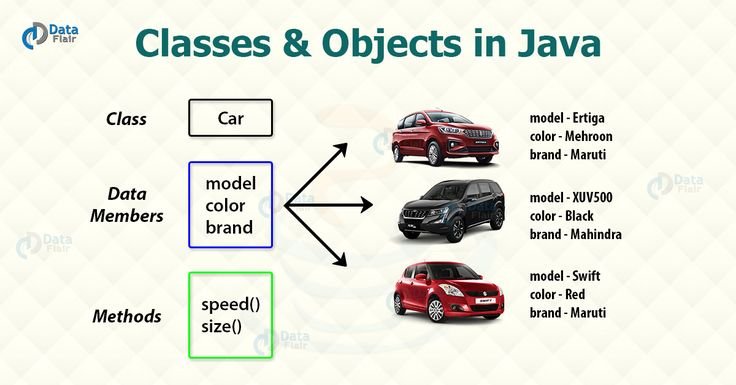
A class is like a blueprint or template for creating objects. It defines the attributes and behaviors of the objects.
2. Object
An object is an instance of a class. It represents a specific thing in the program with its own properties.
3. Encapsulation
Encapsulation protects data by restricting access and allowing interaction through controlled methods.
4. Inheritance
Inheritance allows a class to use properties and methods from another class, promoting code reuse.
5. Polymorphism
Polymorphism allows one method or object to take multiple forms, making programs flexible and dynamic.
6. Abstraction
Abstraction hides complex details and shows only essential features, simplifying the program.
Benefits of Java OOP
- Reusability: Write once, use multiple times
- Maintainability: Easier to update and debug
- Scalability: Ideal for large applications
- Real-world modeling: Objects mimic real-world entities


Leave a Reply